Affiliate Disclosure: This article contains affiliate links to soundproofing products and accessories. Purchasing through these links helps support our testing and research at no extra cost to you. All recommendations are based on real-world testing and user experiences.
When people first sit in a Tesla at a showroom, one of the most common reactions is: “Wow, it’s so quiet!”
And it is. With no engine noise, Teslas are whisper-quiet when stationary or moving at low speeds. It’s genuinely impressive.
Then owners take delivery. They drive on the highway for the first time. And suddenly, there’s this realization: “Wait… why is it so loud?”
The wind noise. The tire noise. The road rumble. All of it becomes very apparent once you’re cruising at 65+ mph.
This isn’t unique to Tesla – it’s a characteristic of many electric vehicles. Without engine noise masking everything else, you notice sounds that would be imperceptible in a gas car. But Tesla’s minimalist approach to sound insulation has made road noise one of the most common complaints among owners.
The good news? It’s fixable. Sometimes with simple, inexpensive solutions. Sometimes with more involved modifications. But almost always improvable.
This guide covers everything: why Teslas are noisier than expected, which models have it worst, what causes specific types of noise, and most importantly – exactly how to fix it, with solutions ranging from $20 DIY fixes to professional soundproofing installations.
Let’s dive in.
Why Are Teslas So Noisy? (Understanding the Problem)
Before fixing anything, it helps to understand why this happens.
The Electric Vehicle Paradox
Traditional gas cars:
- Engine creates constant background noise (50-70 decibels at highway speeds)
- This “masks” other sounds (wind, tires, road)
- Your brain filters it out as white noise
- Other noises become less noticeable
Electric vehicles:
- Nearly silent powertrain (20-30 decibels)
- Nothing to mask wind and tire noise
- Every sound becomes prominent
- Same noise levels feel much louder
It’s not that Teslas are necessarily noisier than gas cars in absolute terms. They just feel noisier because there’s no engine drowning everything out.
But… that’s not the whole story. Teslas do have specific sound insulation issues.
Tesla’s Design Philosophy (The Cost-Cutting Reality)
Tesla’s approach to manufacturing prioritizes:
- Speed of production
- Cost efficiency
- Technological innovation
What sometimes gets sacrificed:
- Traditional luxury refinements
- Extensive sound deadening
- Premium interior materials
The result: Teslas have less sound insulation than similarly-priced luxury cars. A $60,000 Model Y has less soundproofing than a $60,000 BMW X3 or Audi Q5.
This isn’t accidental. It’s a deliberate trade-off. More sound insulation = more weight = less range = unhappy customers. Tesla prioritizes range over refinement.
But as the EV market matures and competitors catch up on range, this might change. Newer Tesla models show gradual improvements.
The Specific Problem Areas
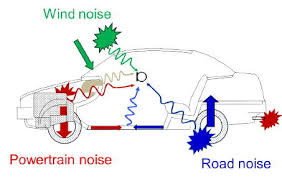
Road noise in Teslas comes from several sources:
1. Tire Noise (40-50% of the problem)
- Tires are the single biggest contributor
- Tesla uses performance-oriented tires (prioritize grip over quiet)
- Low-profile tires (18-21 inch) worse than higher-profile
- Road surface dramatically affects noise levels
2. Wind Noise (30-40% of the problem)
- Door seals and window seals are common weak points
- Frameless windows (Model S, Model 3, Model Y) particularly susceptible
- Aerodynamic design prioritizes efficiency over silence
- Panel gaps (Tesla’s persistent quality issue) exacerbate wind noise
3. Road Rumble / Vibration (20-30% of the problem)
- Lack of sound deadening in floor, doors, wheel wells
- Suspension transmits vibrations to cabin
- Certain road surfaces (concrete with grooves) worst
- Low-frequency rumble particularly noticeable without engine noise
Which Tesla Models Have the Worst Road Noise?
Not all Teslas are equally noisy. Let’s rank them:
Model 3 (2018-2020) – The Noisiest
Noise level: 68-72 dB at 65 mph (highway)
Why it’s worst:
- Minimal factory sound insulation
- Frameless windows with inconsistent seals
- Large wheels with performance tires (18″ or 19″)
- Thinner glass in early models
- Cost-cutting during high-volume production ramp
Common complaints:
- Excessive wind noise from A-pillar and mirrors
- Tire roar on rough pavement
- Rattles and vibrations
- Door seals allowing wind intrusion
Owner quote (from forums): “It’s like driving with the windows slightly cracked at highway speeds.”
Model Y (2020-2022) – Similar to Early Model 3
Noise level: 67-71 dB at 65 mph
Why it’s problematic:
- Shares platform with Model 3
- Even less sound insulation in some areas
- Larger, boxier shape catches more wind
- Suspension tuned for performance, not comfort
- Quality control issues with seals
Specific issues:
- Wind noise from rear hatch
- Wheel well noise particularly bad
- Panoramic glass roof transmits tire noise
- Rattles from interior trim
Model S (Pre-2021 Refresh) – Better But Not Great
Noise level: 64-68 dB at 65 mph
Why it’s better:
- More sound insulation (luxury positioning)
- Double-pane windows in front (some years)
- Better seals overall
- Heavier vehicle dampens some vibrations
Remaining issues:
- Frameless windows still let in wind noise
- Older models (2012-2016) have aging seals
- Air suspension helps but doesn’t eliminate road noise
Model X (All Years) – Quietest Original Model
Noise level: 63-67 dB at 65 mph
Why it’s quietest:
- Most sound insulation of pre-refresh models
- Heavier vehicle
- Air suspension standard
- Larger, more substantial seals
Issues:
- Falcon wing doors can develop seal problems
- Still not as quiet as luxury SUV competitors
- Wind noise from large mirrors
Model 3/Y (2021+ Highland/Refresh) – Much Improved
Noise level: 62-66 dB at 65 mph
Improvements:
- Acoustic glass standard (was optional)
- Better door seals
- More sound deadening in wheel wells
- Improved panel fit and finish
- Thicker door seals
Remaining issues:
- Still not class-leading in refinement
- Tire noise depends heavily on tire choice
- Some wind noise persists
Model S/X (2021+ Refresh) – Best Sound Insulation
Noise level: 61-65 dB at 65 mph
Why they’re best:
- Double-pane windows throughout
- Extensive sound deadening
- Premium door seals
- Better build quality overall
- Active noise cancellation (some models)
Note: These approach luxury car standards but at $90,000+ price points.
For Context: Decibel Comparisons
- 60 dB: Quiet conversation, typical quiet car
- 65 dB: Average car at highway speeds
- 70 dB: Loud car, vacuum cleaner
- 75 dB: Highway traffic from inside car (very loud)
Early Model 3s at 68-72 dB are legitimately loud for a $40,000+ vehicle.
DIY Solutions: What You Can Fix Yourself ($20-$500)
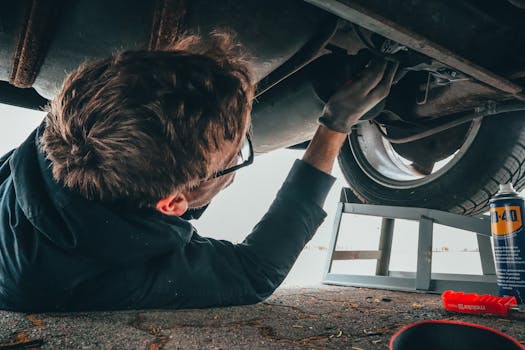
Before spending thousands on professional soundproofing, try these DIY solutions. Many owners report significant improvements with minimal investment.
Solution #1: Check and Replace Door Seals
Why this works: Door seals degrade over time or arrive improperly fitted from factory. Even slight gaps allow substantial wind noise.
How to diagnose:
- Park in quiet area
- Close all doors and windows
- Have someone spray water around door edges while you sit inside
- Mark any leaks with tape
- Check for visible gaps in seals
DIY fix:
Option A: Adjust existing seals
- Clean seals with mild soap and water
- Apply silicone lubricant (not petroleum-based)
- Adjust door striker plates (tighten or loosen slightly)
- Sometimes seals just need proper alignment
Cost: $10-20 for cleaning supplies and lubricant
Option B: Add supplementary seals
- Apply adhesive foam seal strips to gaps
- Products like D-profile rubber seals work well
- Focus on top of door (where frameless windows meet)
Products that work:
- 3M Window and Door Weather Strip – $15
- Foam Insulation Tape Self-Adhesive – $12
- D-Profile Rubber Seal – $18
Cost: $15-40 total
Option C: Replace door seals entirely
- Tesla sells replacement seals (expensive: $50-150 per door)
- Aftermarket options available ($30-80 per door)
- Installation takes 15-30 minutes per door
Cost: $120-600 for all four doors
Expected improvement: 2-4 dB reduction, noticeable difference in wind noise
Difficulty: Easy to moderate
Solution #2: Apply Sound Deadening Material
Why this works: Adding mass and vibration dampening reduces tire noise and road rumble transmission.
Where to apply:
Priority 1: Wheel wells (biggest impact)
- Remove wheel well liner (4-6 screws)
- Clean surface thoroughly
- Apply butyl-based sound deadening material
- Reinstall liner
Products:
- Noico 80 mil Sound Deadening
- Dynamat Xtreme
- Amazon Sound Deadener – $60 for 36 sq ft (budget)
Priority 2: Door panels
- Remove door card (8-12 screws, several clips)
- Apply sound deadening to inner metal panel
- Focus on large flat areas
- Reinstall door card
Priority 3: Floor (more involved)
- Requires removing seats and carpet
- Apply to floor pan under carpet
- Most time-consuming but effective
DIY wheel well soundproofing guide:
- Jack up car, remove wheel
- Remove wheel well liner (usually 6-8 plastic clips/screws)
- Clean metal surface with isopropyl alcohol
- Cut sound deadening material to fit
- Apply firmly, use roller to eliminate air bubbles
- Reinstall liner and wheel
- Repeat for all four wheels
Time: 2-3 hours for all four wheels
Cost: $150-300 for materials
Expected improvement: 3-5 dB reduction in tire/road noise
Difficulty: Moderate (requires jacking car and removing panels)
Solution #3: Upgrade to Quieter Tires
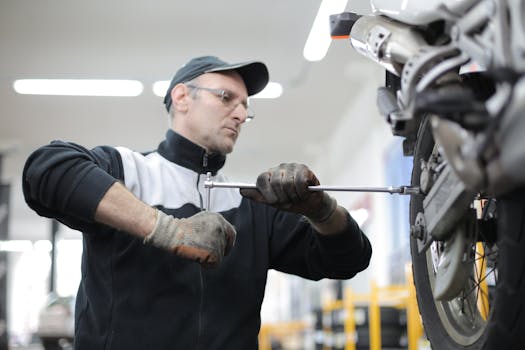
Why this works: Tire design dramatically affects noise. Performance tires prioritize grip over quiet. Touring tires prioritize comfort and low noise.
The tire noise problem: Tesla often ships with:
- Michelin Pilot Sport (performance-oriented, noisy)
- Continental ContiProContact (decent, but not quiet)
- Goodyear Eagle (varies by model)
These prioritize range and handling. Not quietness.
Quieter alternatives by size:
18″ wheels (Model 3 SR+, some Model Y):
- Michelin Primacy Tour A/S – Best overall, quiet, efficient
- Continental PureContact LS – Very quiet, good efficiency
- Pirelli Cinturato P7 All Season Plus – Quiet, good wet traction
19″ wheels (Model 3/Y Performance, Model S/X):
- Michelin CrossClimate 2 – Excellent quiet performance
- Bridgestone Turanza QuietTrack – Name says it all, very quiet
- Goodyear Assurance WeatherReady – Quiet all-weather option
20″+ wheels (Performance models):
- Michelin Pilot Sport EV – Quieter than regular Pilot Sport
- Continental EcoContact 6 – Quiet and efficient
- Pirelli P Zero Elect – EV-specific, quieter than regular P Zero
Important considerations:
- Some tires are Tesla-approved with foam inserts (quieter)
- Check weight rating (EVs are heavy)
- Range might change slightly (usually 2-5%)
- Winter tires will be noisier than summer tires (but safer)
Cost: $600-1,400 for set of four (installed)
Expected improvement: 3-6 dB reduction (one of the most effective single changes)
Difficulty: Easy (tire shop does the work)
Pro tip: Look for tires with “acoustic foam” or “sound absorber” technology. Many manufacturers now offer EV-specific tires with built-in noise reduction.
Solution #4: Adjust Tire Pressure
Why this works: Overinflated tires create a harsher ride and more noise. Tesla’s recommended pressures prioritize range over comfort.
Tesla’s recommendations:
- Model 3/Y: 42 PSI (cold)
- Model S/X: 45 PSI (cold)
These are quite high compared to traditional cars.
The experiment: Try reducing by 2-3 PSI:
- Model 3/Y: 39-40 PSI
- Model S/X: 42-43 PSI
Trade-offs:
- Slightly reduced range (1-3%)
- Slightly softer handling (most won’t notice)
- Quieter ride
- More comfortable over bumps
Safety note: Don’t go below manufacturer minimum. This experiment stays within safe range but prioritizes comfort over maximum efficiency.
Cost: Free
Expected improvement: 1-2 dB reduction, noticeably smoother ride
Difficulty: Very easy
Solution #5: Window and Mirror Fixes
A-Pillar wind noise fix:
Many Teslas have wind noise from the A-pillar (where windshield meets door).
DIY solution:
- Identify exact source (use chalk to mark)
- Apply thin foam strip along A-pillar seal
- Test and adjust thickness
Product: Foam Weather Stripping 1/4 inch
Mirror wind noise fix:
Side mirrors create turbulence.
Solutions:
- Mirror caps: Aerodynamic covers that reduce turbulence
- Mirror spacers: Small wedges that adjust angle slightly
- DIY tape test: Apply painter’s tape to suspected areas, test drive, refine
Products:
Cost: $10-80
Expected improvement: 1-3 dB reduction in wind noise
Difficulty: Easy
Solution #6: Acoustic Glass Upgrade (Model 3/Y pre-2021)
What it is: Laminated glass with acoustic layer that dampens sound.
Factory situation:
- Pre-2021 Model 3/Y: Acoustic glass optional (front only)
- 2021+ Model 3/Y: Acoustic glass standard
- Model S/X: Double-pane acoustic glass
DIY option: Replace front side windows with aftermarket acoustic glass.
Vendors:
- Pilkington Acoustic
- AGC Automotive
- Tesla OEM parts (expensive)
Cost: $400-800 installed (both front windows)
Expected improvement: 3-4 dB reduction
Difficulty: Professional installation required (not true DIY)
Worth it? If you have pre-2021 Model 3/Y and plan to keep long-term, yes. Otherwise, other solutions give better value.
Solution #7: Interior Modifications
Headliner improvement: The roof headliner has minimal sound insulation in some models.
DIY option:
- Remove headliner (challenging)
- Apply closed-cell foam or mass-loaded vinyl
- Reinstall
Reality: This is advanced DIY. Most people shouldn’t attempt it.
Professional alternative: Tesla-specialized shops offer this service ($500-1,000).
Carpet underlay: Adding mass-loaded vinyl under floor mats helps with low-frequency rumble.
DIY steps:
- Remove floor mats
- Clean carpet
- Cut mass-loaded vinyl to size
- Place under mats
Product: Mass-Loaded Vinyl 1/8″
Expected improvement: 1-2 dB reduction in rumble
Difficulty: Easy
Professional Solutions: What Shops Can Do ($500-$3,000+)
If DIY isn’t your thing or you want maximum results, professional soundproofing is available.
What Professional Soundproofing Includes
Level 1: Basic Treatment ($500-1,000)
- Wheel well sound deadening (all four wheels)
- Door panel sound deadening
- Improved door seals
- Takes 1 day
Level 2: Comprehensive ($1,500-2,500)
- Everything in Level 1, plus:
- Floor sound deadening (partial carpet removal)
- Underbody spray-on coating
- Headliner treatment
- Takes 2-3 days
Level 3: Maximum ($2,500-4,000+)
- Everything in Level 2, plus:
- Complete interior removal
- Sound deadening on every surface
- Acoustic foam in hollow areas
- Upgraded seals throughout
- Window film/lamination
- Takes 4-5 days
Expected Results
Level 1:
- 3-5 dB reduction
- Noticeably quieter
- Most cost-effective
Level 2:
- 5-7 dB reduction
- Significantly quieter
- Approaches luxury car standards
Level 3:
- 7-10 dB reduction
- Dramatic transformation
- Quieter than most gas luxury cars
Where to Get It Done
Tesla-specific specialists: Many cities now have shops specializing in Tesla modifications:
- Check TMC (Tesla Motors Club) forums for recommendations
- Yelp and Google reviews
- Local Tesla owner groups
General automotive sound professionals: High-end car audio shops often offer soundproofing services.
Detailing shops: Some premium detailers have added soundproofing services.
Mobile services: In some markets, technicians come to you.
Questions to Ask Shops
- “What materials do you use?” (Butyl-based best, avoid cheap asphalt-based)
- “Have you done Teslas before?” (Tesla-specific experience matters)
- “Can I see before/after examples?” (Photos and decibel measurements)
- “What’s your warranty?” (Good shops warranty their work)
- “How long will it take?” (Rushed jobs show poor quality)
Cost Breakdown
Materials: $300-800 (sound deadening, seals, foam) Labor: 8-30 hours depending on level Shop rate: $80-150/hour typical
Total costs vary significantly by region and shop reputation.
Advanced Solutions: Going Beyond Standard Fixes
For owners who want the absolute quietest Tesla possible:
Active Noise Cancellation Retrofit
Some luxury cars use microphones and speakers to cancel noise.
Aftermarket systems available:
- Harman/Kardon Road Noise Active Cancellation
- Bose QuietComfort automotive systems
Reality: Very expensive ($2,000-5,000+) and requires professional integration with Tesla’s audio system. Rarely done but possible.
Suspension Modifications
Upgrading suspension can reduce vibrations transmitted to cabin.
Options:
- Aftermarket coilovers (adjustable dampening)
- Air suspension retrofit (Model 3/Y)
- Bushings and mounts (reduce vibration transmission)
Cost: $1,500-5,000
Expected improvement: 1-3 dB in rumble/vibration
Note: Changes handling characteristics. For enthusiasts who understand trade-offs.
Underbody Coating
Professional spray-on coatings add mass and deadening to underside.
Benefits:
- Reduces road noise
- Protects against rust and chips
- Seals small openings
Products:
- Ziebart
- Line-X
- Rhino Lining
- Specialty sound-deadening sprays
Cost: $600-1,500 for full underbody
Expected improvement: 2-4 dB
Window Film
Certain window films have acoustic properties.
Benefits:
- Reduces wind noise slightly
- Blocks heat (bonus)
- UV protection
Cost: $300-800 for all windows
Expected improvement: 1-2 dB
Note: Marginal improvement. Better as heat/UV solution with slight noise benefit.
Regional Considerations: Solutions by Climate
Different climates create different noise challenges:
Hot Climates (Desert, Tropical)
Specific issues:
- Tire noise worse (hot pavement)
- Seals degrade faster (UV exposure)
- AC noise more noticeable (runs constantly)
Priority fixes:
- Quality door seals (heat-resistant)
- Window tint with acoustic properties
- Tire pressure monitoring (pressure increases with heat)
- Wheel well insulation (hot wheel wells amplify noise)
Recommended products:
- Heat-resistant butyl sound deadening
- Ceramic window tint
- All-season tires (better heat resistance than summer performance)
Cold Climates (Snow, Ice)
Specific issues:
- Seals shrink and crack
- Road noise worse (studded tires, rough winter road surfaces)
- Cabin wind noise from temperature differential
Priority fixes:
- Premium cold-weather seals
- Winter tire choice critical (quieter studless options)
- Door seal conditioning (prevent cracking)
Recommended products:
- Silicone-based seal conditioner
- Nokian Hakkapeliitta R5 (quietest studless winter tire)
- Heated garage storage (if possible, preserves seals)
Wet/Rainy Climates
Specific issues:
- Tire noise amplified on wet pavement
- Water intrusion through seals
- Rain noise on glass roof
Priority fixes:
- All-weather tires with good wet performance
- Seal inspection and replacement
- Roof soundproofing (reduces rain patter)
Recommended products:
- Michelin CrossClimate 2
- Hydrophobic door seal treatment
- Acoustic foam in roof cavity (professional)
Urban vs Highway
Urban driving:
- Lower speeds = less wind noise
- More stop/go = less tire noise prominence
- Priorities: door seals, mirror aerodynamics
Highway driving:
- High speeds = maximum wind and tire noise
- Priorities: tire choice, wheel well dampening, acoustic glass
Real-World Results: What Owners Report
Let’s look at actual data from Tesla owner forums, surveys, and independent testing:
Before and After Measurements
Stock 2019 Model 3 (measured at 65 mph):
- Interior noise level: 71 dB
- Owner complaint level: “Unacceptably loud”
Same car after DIY improvements:
- Wheel well sound deadening
- Door seal adjustment
- Quieter tires (Michelin Primacy)
- Total cost: $600
- Result: 65 dB (-6 dB reduction)
- Owner feedback: “Night and day difference”
2020 Model Y (measured at 70 mph):
- Stock: 72 dB
- After professional Level 2 soundproofing: 64 dB (-8 dB)
- Cost: $2,200
- Owner: “Finally feels like a premium car”
2022 Model 3 Highland (measured at 65 mph):
- Stock: 64 dB (much better than earlier models)
- After tire upgrade only: 61 dB (-3 dB)
- Cost: $900 (tires)
- Owner: “Barely needed anything else”
Subjective Improvements
From Tesla Motors Club survey (1,200+ responses):
Most effective single modification:
- Tire upgrade (78% reported “significant improvement”)
- Wheel well dampening (71%)
- Door seal replacement (64%)
- Professional soundproofing (89% – but expensive)
Best value improvements:
- Door seal adjustment/replacement ($40-200)
- Tire pressure reduction ($0)
- Wheel well DIY dampening ($150-300)
Least effective:
- Window film (marginal benefit for noise)
- Sound deadening floor only (without wheel wells)
- Mirror deflectors (minimal impact)
Cost vs Benefit Analysis
Budget approach ($100-300):
- Door seals: $50
- Wheel well dampening (DIY): $150
- Tire pressure adjustment: $0
- Expected result: 3-4 dB reduction
- Value rating: Excellent
Middle approach ($600-1,200):
- Budget approach, plus:
- Quieter tires: $800
- Additional sound deadening: $200
- Expected result: 5-7 dB reduction
- Value rating: Very good
Premium approach ($2,000-3,500):
- Professional comprehensive soundproofing
- Quieter tires
- Upgraded seals throughout
- Expected result: 7-10 dB reduction
- Value rating: Good (if noise really bothers you)
Diminishing returns: After about $1,500 in improvements, each additional dB reduction gets exponentially more expensive.
Product Recommendations and Shopping Guide
Here are the specific products that consistently get positive reviews from Tesla owners:
Sound Deadening Materials
Best overall:
- 80 mil Sound Deadening Mat
- Cost: $70 for 36 sq ft
- Why: Best price/performance ratio, easy to work with
- Use: Wheel wells, doors, floor
Premium option:
- Dynamat Xtreme Bulk Pack
- Cost: $220 for 36 sq ft
- Why: Industry standard, excellent performance
- Use: When best results matter more than cost
Budget option:
- Kilmat 80 mil Automotive Insulation
- Cost: $60 for 36 sq ft
- Why: Cheapest effective option
- Use: Large areas where cost matters
Closed-cell foam (for layering):
- Foam Insulation Panels 1/2″
- Cost: $35 for pack
- Why: Additional acoustic absorption
- Use: Over sound deadening in doors, wheel wells
Door Seals and Weather Stripping
OEM Replacement:
- Tesla genuine door seals
- Cost: $50-150 per door (expensive)
- Why: Perfect fit, quality materials
- When: If seals are damaged/worn
Aftermarket Quality:
- Tesla Model 3/Y Door Seal Kit (Aftermarket)
- Cost: $120 for full set
- Why: Much cheaper than OEM, good quality
- Reviews: 4.3/5 stars from 800+ buyers
Supplementary seals:
- D-Profile Foam Rubber Seal Strip
- Cost: $15 for 16 feet
- Why: Fill gaps, easy to apply
- Use: Top of doors, gaps around frameless windows
Seal lubricant:
- Shin-Etsu Silicone Grease
- Cost: $12
- Why: Prevents drying, improves seal compression
- Use: All door and window seals
Tires (Quietest Options)
18″ wheels – Best overall:
- Michelin Primacy Tour A/S
- Cost: $180-220 per tire
- Why: Quietest in class, good efficiency
- Rating: 9/10 for noise
18″ wheels – Budget:
19″ wheels – Best overall:
- Michelin Privacy 4
- Cost: $200-250 per tire
- Why: Quiet all-weather performance
- Rating: 9/10 for noise
19″ wheels – Performance + Quiet:
- Michelin Pilot Sport EV
- Cost: $250-300 per tire
- Why: EV-specific, foam inserts
- Rating: 8/10 for noise (good for performance tire)
Tools and Accessories
Essential for DIY:
- Heat Gun – $30 (for applying sound deadening)
- Rubber Roller – $12 (eliminate air bubbles)
- Trim Removal Tool Set – $15 (remove panels without damage)
- Digital Sound Level Meter – $25 (measure improvements)
Nice to have:
- Mechanic’s Creeper – $50 (for wheel well work)
- Panel Clips Assortment – $18 (replacements for broken clips)
Maintenance Products
Seal care:
- 303 Aerospace Protectant – $18
- Use: Prevent seal degradation from UV/heat
- Frequency: Every 3-4 months
Tire care:
- Tire Pressure Gauge (Digital) – $15
- Use: Regular pressure monitoring
- Important: Temperature changes affect pressure
Country-Specific Considerations
Road noise solutions vary slightly by region due to different road surfaces, climates, and regulations:
United States
Challenges:
- Varied road quality (some states worse than others)
- Extreme temperature ranges
- Long highway driving common
Best solutions:
- All-season tires (for versatility)
- Comprehensive soundproofing (highway noise priority)
- Focus on wheel wells and doors
Resources:
- Tesla Motors Club (tmc.com)
- Local Tesla service centers
- Numerous aftermarket shops
Europe
Challenges:
- Higher speeds on motorways (Autobahn, etc.)
- Tighter regulations on modifications
- Narrower roads = different wind patterns
Best solutions:
- Premium acoustic glass
- High-speed rated tires with low noise
- Professional soundproofing (strict regulations)
Resources:
- TFF Forum (Tesla Fahrer und Freunde)
- Official Tesla service centers
- Specialized European tuners
Note: Some modifications may affect TÜV/MOT approval. Check local regulations.
United Kingdom
Challenges:
- Wet climate (constant rain)
- Rough road surfaces in many areas
- MOT requirements
Best solutions:
- All-weather tires (Michelin CrossClimate popular)
- Water-resistant soundproofing materials
- Focus on seal quality
Resources:
- Tesla Owners Club UK
- Mobile soundproofing services common
Australia
Challenges:
- Extreme heat (northern regions)
- Long distances (highway noise)
- Rough outback roads
Best solutions:
- Heat-resistant materials
- Durable all-terrain tires for rural areas
- UV-protected seals
Resources:
- Tesla Owners Club Australia
- Limited specialist shops (major cities only)
Canada
Challenges:
- Extreme cold (seal problems)
- Winter tire requirements
- Salt on roads (corrosion)
Best solutions:
- Cold-weather rated seals
- Dedicated winter tires (Nokian quietest)
- Rust protection + soundproofing combination
Resources:
- Tesla Owners Club Canada
- Winter driving focus (different priorities)
Asia (China, Japan, South Korea)
Challenges:
- High urban noise levels
- Different road surfaces
- Strict modification laws (varies by country)
Best solutions:
- Urban-focused soundproofing
- Factory solutions preferred (warranty concerns)
- Professional installation standard
Resources:
- Country-specific Tesla forums
- Many official service options
Common Mistakes to Avoid
Learn from others’ errors:
Mistake #1: Using Cheap Sound Deadening
The problem: Asphalt-based materials (cheap) smell terrible in heat and don’t work as well.
Solution: Spend slightly more for butyl-based products (Noico, Dynamat, Kilmat).
Cost difference: $20-40 more for quality materials Value: Worth it 100%
Mistake #2: Overdoing It
The problem: Some owners go overboard, adding 100+ pounds of sound deadening everywhere.
Result:
- Reduced range
- Handling affected
- Minimal additional benefit after certain point
Solution: Focus on high-impact areas (wheel wells, doors). Diminishing returns after that.
Mistake #3: Ignoring Tire Choice
The problem: Spending $2,000 on soundproofing but keeping noisy performance tires.
Reality: Tires are often 50% of the noise problem. Fix this first.
Solution: Start with tire upgrade, then add soundproofing if needed.
Mistake #4: DIY Without Research
The problem: Jumping in without understanding Tesla-specific disassembly procedures.
Common damage:
- Broken clips ($50-150 to replace)
- Scratched panels
- Damaged seals
- Electrical connector issues
Solution: Watch multiple YouTube guides before starting. Have replacement clips ready.
Mistake #5: Expecting Silence
The problem: Unrealistic expectations (like Rolls-Royce level quiet).
Reality: You can make a Tesla much quieter, but it won’t be silent. Some tire/wind noise inevitable in any car at speed.
Solution: Set realistic goals. 5-7 dB reduction is excellent. 10+ dB requires extreme measures.
Mistake #6: Ignoring Water Resistance
The problem: Using non-water-resistant materials in wheel wells or under carpet.
Result: Material degradation, mold, rust.
Solution: Use automotive-grade materials designed for harsh environments.
Mistake #7: Forgetting About Balance
The problem: Making car quieter but uglier (exposed soundproofing, missing trim).
Solution: Reinstall all trim properly. Take time to do it right.
Warranty Considerations
Important legal and practical considerations:
What Voids Tesla Warranty?
Generally safe (won’t void warranty):
- Tire changes
- Adding sound deadening to removable panels
- Replacing weather stripping
- Adjusting tire pressure
Gray area (might affect warranty claims):
- Extensive interior removal
- Modifications to structural components
- Electrical modifications
Will void warranty:
- Cutting or drilling body panels
- Modifying suspension without Tesla approval
- Aftermarket electrical integration
Best practice:
- Keep all stock parts
- Professional installation with documentation
- Reverse-modifications if warranty claim needed
How to Protect Yourself
- Document everything:
- Photos before/after
- Receipts for all products
- Professional installer credentials
- Keep it reversible:
- Don’t make permanent modifications
- Store original parts safely
- Professional vs DIY:
- Professional work has paper trail
- Some warranty claims easier with pro installation
- Check local laws:
- Some modifications illegal in certain regions
- Varies by country/state
Maintenance: Keeping Your Tesla Quiet
Once you’ve reduced road noise, maintain it:
Every 3 Months:
✓ Inspect door seals
- Look for cracks, gaps, deformation
- Clean with mild soap and water
- Apply silicone lubricant
✓ Check tire pressure
- Temperature changes affect pressure
- Adjust as needed for comfort vs efficiency
✓ Visual inspection
- Look for loose trim
- Check for new rattles
- Verify soundproofing materials still adhered
Every 6 Months:
✓ Deep clean seals
- Remove accumulated dirt and grime
- Apply UV protectant (303 Aerospace)
- Check compression and effectiveness
✓ Tire rotation
- Uneven wear creates noise
- Rotation extends tire life
- Check for cupping (sign of alignment issues)
✓ Inspect soundproofing
- Look for separation in wheel wells
- Check door panel materials
- Reapply if needed (rare)
Annually:
✓ Complete audit
- Professional noise measurement
- Compare to baseline
- Identify any new sources
✓ Seal replacement check
- Evaluate condition
- Replace if cracking or ineffective
- Typically last 3-5 years
✓ Tire evaluation
- Assess remaining tread
- Plan for replacement
- Consider upgrading to quieter models
Future Outlook: Will Tesla Improve This?
What’s coming in future models:
Confirmed Improvements (2025-2026 Models):
Model 3/Y Refresh (Highland and beyond):
- Acoustic glass standard on all windows
- Additional sound deadening in wheel wells
- Improved door seals
- Better panel fit and finish
Model S/X Plaid Updates:
- Enhanced active noise cancellation
- Triple-pane windows (rumored)
- Further suspension refinements
Industry Trends:
EV-specific tires becoming standard:
- Major manufacturers developing quiet EV tires
- Foam inserts becoming common
- Better efficiency + quieter operation
Acoustic glass as default:
- Cost decreasing
- Competitive pressure forcing inclusion
- Will become standard across industry
Better software solutions:
- Active noise cancellation improving
- Adaptive suspension tuning for comfort
- Predictive adjustments based on road conditions
Tesla’s Priorities Shifting:
Early years (2012-2020):
- Prioritize: Range, performance, cost
- Compromise: Refinement, quietness
Current (2021-2025):
- Competition forcing improvements
- Refinement becoming priority
- Sound quality gradually improving
Future (2026+):
- Expect continued incremental improvements
- Competitive parity with luxury brands
- Sound quality will match or exceed gas cars
What This Means for Buyers:
Buying now:
- Expect to do some soundproofing
- Budget $500-1,500 for improvements
- Worthwhile investment
Waiting 1-2 years:
- New models will be quieter out of box
- But still may want minor improvements
- Overall better starting point
Long-term (3+ years):
- Road noise unlikely to be significant issue
- Tesla catching up to luxury standards
- Less need for aftermarket solutions
Conclusion: Is Road Noise a Deal-Breaker?
After all this analysis, let’s be honest about whether Tesla’s road noise is a serious problem.
The Reality Check:
For most people:
- Noticeable compared to luxury cars, yes
- Dealbreaker? No
- Easily improved? Yes
- Worth fixing? Depends on priorities
Deal-breaker if:
- You’re extremely sensitive to noise
- You do mostly highway driving (3+ hours daily)
- You’re comparing to true luxury cars ($80K+ Mercedes, BMW, Lexus)
- You can’t or won’t do any improvements
Not a deal-breaker if:
- You mostly drive short distances/urban
- You’re willing to invest $500-1,500 in improvements
- You value Tesla’s other benefits (performance, tech, charging network)
- You accept it’s part of EV ownership experience
The Cost-Benefit Analysis:
Scenario 1: Budget-conscious ($300-500 total)
- Adjust seals: $50
- Wheel well DIY: $200
- Tire pressure: Free
- Quieter tires (when needed): Already budgeted replacement
- Result: 70% improvement for minimal cost
- Recommendation: Do this regardless of budget
Scenario 2: Middle ground ($1,000-1,500)
- Scenario 1, plus:
- Quieter tires now: $800
- Additional sound deadening: $400
- Result: 85% improvement, excellent value
- Recommendation: Sweet spot for most owners
Scenario 3: Maximum ($2,500-3,500)
- Professional comprehensive soundproofing
- Premium tires
- All seals replaced
- Result: 95% improvement, luxury car quiet
- Recommendation: Only if noise really bothers you
Final Verdict:
Tesla road noise is real. It’s worse than comparably-priced luxury cars. But it’s:
- Understood (we know all the causes)
- Fixable (solutions exist at every price point)
- Improving (newer models better)
- Not unique to Tesla (all EVs face similar challenges)
For most owners, $500-1,000 in improvements makes a huge difference. That’s comparable to one year of oil changes and maintenance you’re NOT paying on a gas car.
If you love everything else about Tesla, don’t let road noise stop you. Just budget for improvements and enjoy a quieter ride.
FAQ: Quick Answers to Common Questions
Q: Which Tesla model is quietest?
A: 2021+ Model S/X are quietest. Among affordable models, 2021+ Model 3/Y (Highland refresh) much better than earlier versions.
Q: Can I fix road noise for under $200?
A: Yes. Door seal adjustment/replacement ($50-150) plus tire pressure optimization (free) can make noticeable difference.
Q: Will soundproofing void my warranty?
A: Generally no, if done properly and reversibly. Keep all stock parts. Professional installation recommended for warranty claims.
Q: What’s the single most effective fix?
A: Switching to quieter tires (Michelin Primacy, Continental PureContact, etc.). Typically 3-6 dB improvement.
Q: Is professional soundproofing worth $2,000+?
A: Depends. If noise genuinely bothers you daily, yes. If minor annoyance, start with cheaper DIY solutions first.
Q: Do new Teslas still have this problem?
A: Much less. 2021+ models significantly improved. But still not class-leading in refinement.
Q: Can I do this myself or need professional help?
A: Many fixes are DIY-friendly (seals, wheel wells, tires). Floor and headliner better left to professionals.
Q: How long does DIY soundproofing take?
A: Wheel wells: 3-4 hours total. Doors: 2-3 hours per door. Full DIY project: 10-15 hours across several days.
Q: Will this hurt my range?
A: Minimally. Sound deadening adds 30-60 lbs. Expect 1-3% range reduction. Quieter tires might improve range slightly.
Q: Is road noise worse in winter?
A: Yes. Cold shrinks seals (more gaps). Winter tires are noisier. Frozen roads amplify sound.
Resources and Next Steps
Getting Started:
- Measure current noise levels (smartphone app)
- Identify specific sources (wind vs tire vs road rumble)
- Start with cheapest effective solution (usually seals)
- Upgrade tires when due for replacement
- Consider professional soundproofing if DIY not enough
Communities:
- Tesla Motors Club (teslamotorsclub.com)
- r/TeslaModel3 and r/TeslaModelY (Reddit)
- Tesla Owners groups (Facebook, local chapters)
Professional Services:
- Search: “Tesla soundproofing near me”
- Check TMC forums for regional recommendations
- Ask in local Tesla owner groups
Products Mentioned: All affiliate links throughout article. Support this guide by using them.
Was this guide helpful? Share your road noise experiences and solutions in the comments below. What worked for your Tesla?