
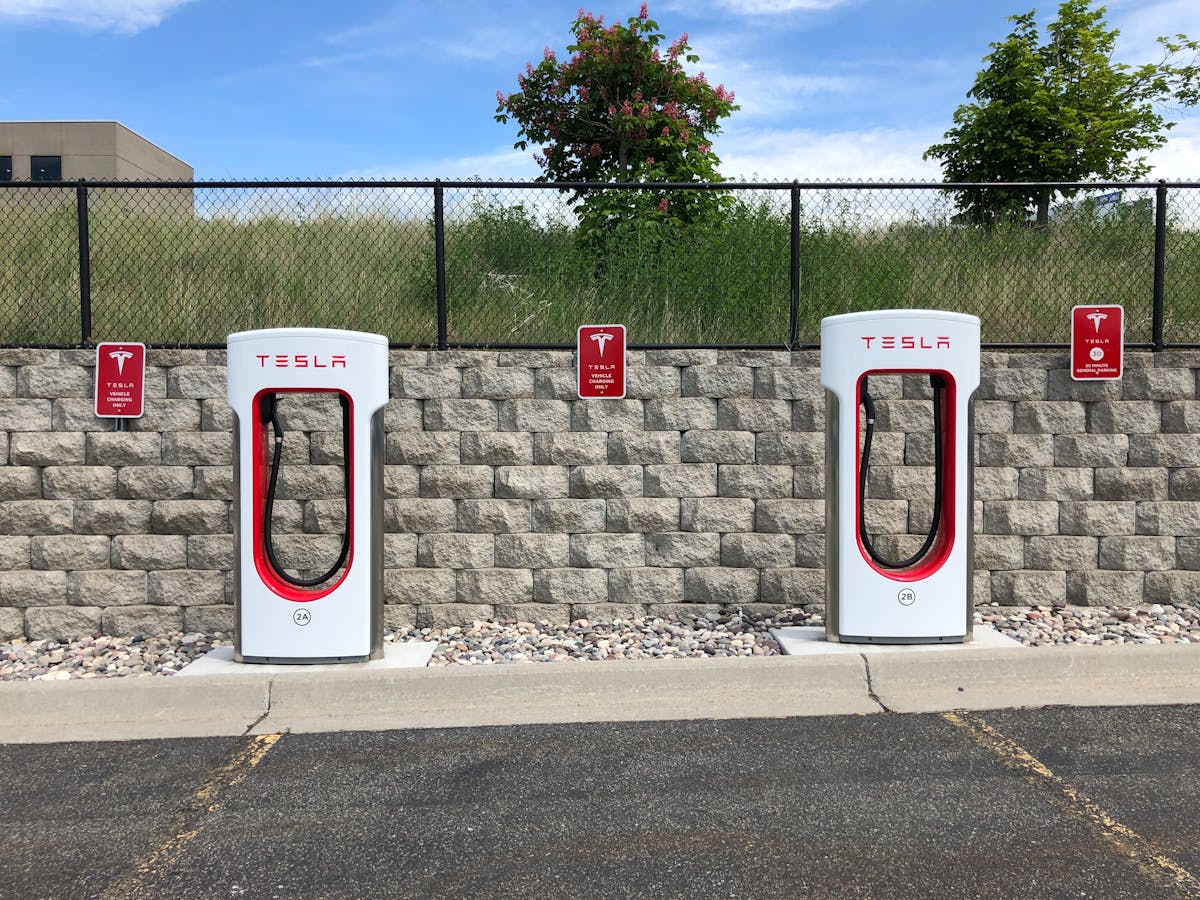
Look, I’m just gonna be straight with you. When I picked up my Tesla Model Y back in May, I thought I had done my homework. I watched probably fifty YouTube videos, read every Reddit thread I could find, and even convinced myself that “range anxiety” was something only old people worried about. Six months later, here I am at a Walmart Supercenter in Columbus, Ohio, charging my car at 11 PM on a Tuesday because I miscalculated… again.
This isn’t one of those “I regret buying an EV” articles. I don’t. But it’s also not a paid Tesla commercial disguised as journalism. What follows is just honest talk about what it’s really like to daily drive an electric car in a state where people still argue about whether climate change is real.
The First Week: When Reality Hits Different
My first mistake? Assuming the EPA range estimate of 272 miles meant I could actually drive 272 miles. Spoiler alert: you can’t. Well, you technically can, but only if you’re willing to watch that battery percentage drop into the single digits while your palms get sweaty and you start googling “closest Tesla service center” just in case.
I learned this the hard way on day three. Drove from my place in Cleveland down to Cincinnati to see my sister – about 250 miles round trip. Left with a full charge, felt like a genius. The drive down was fine, used about 55% battery. But on the way back, I hit traffic, cranked up the AC because it was 89 degrees, and watched in horror as my estimated range started dropping faster than my confidence in this purchase.
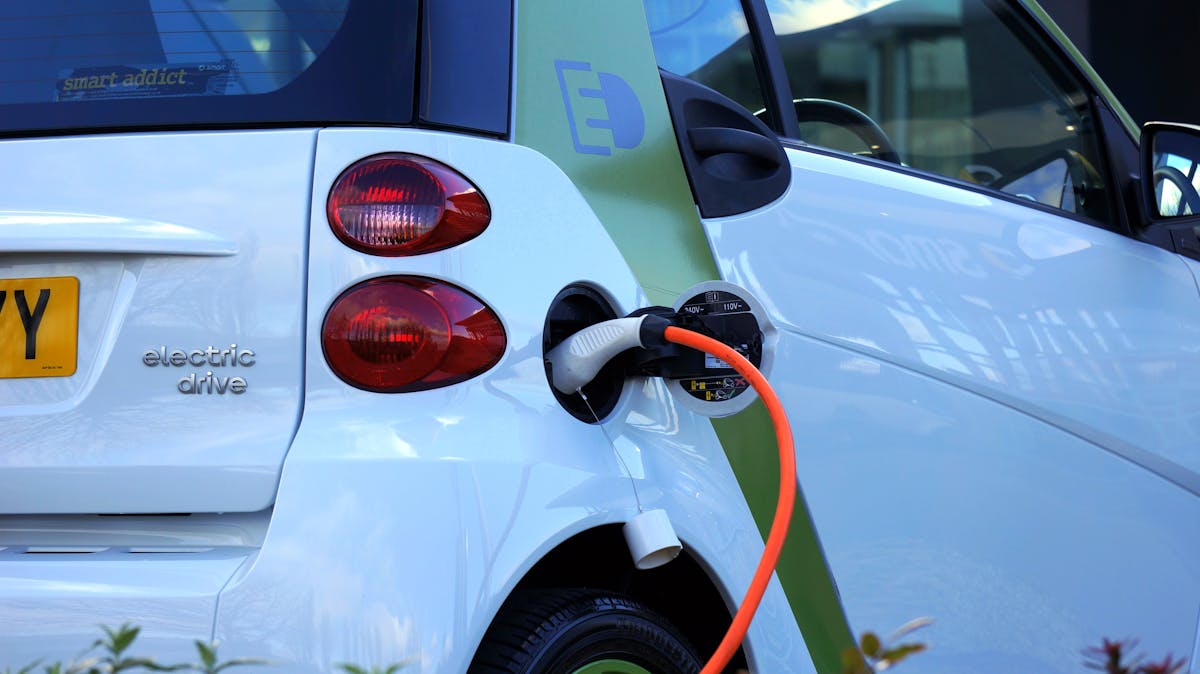
Real Talk About Range
Here’s what those EPA numbers don’t tell you: you lose about 15-20% of range if you’re doing highway speeds (75+ mph), another 10-15% if you’re running climate control, and in winter? Forget about it. You’re looking at 30-40% range loss in sub-freezing temperatures. My 272-mile Model Y becomes a 160-mile car in January. That’s the honest truth.
Charging Station Politics Are Real
Nobody warned me about the social dynamics at charging stations. There’s apparently an unwritten code of conduct that I violated multiple times before someone finally told me I was being “that guy.”
Incident one: I parked at a Supercharger, plugged in, and went to grab lunch at the Chipotle next door. Came back 45 minutes later to find an angry note on my windshield. Apparently, once your battery hits 80%, you’re supposed to move immediately. The guy who left the note wasn’t wrong – I was hogging a spot while four other Teslas were waiting. But also, dude, chill. It’s 2 PM on a Wednesday.
Incident two: I pulled up to a ChargePoint station at my local Target. Two spots, both “available” on the app. Got out, walked around back to grab the cable, and this woman in a Chevy Bolt practically sprinted over yelling that she was “waiting for that spot.” Turns out there’s a weird thing where people sit in their cars waiting instead of just parking and walking over. Who knew?
The Charging Station Hierarchy (Unofficial but Very Real)
| Charger Type | Speed | Cost | Reality Check |
|---|---|---|---|
| Home Charging (Level 2) | 25-30 miles/hour | ~$8 for full charge | This is the dream, but you need a house with a garage and $500 for installation |
| Tesla Supercharger | 200+ miles in 15 min | $0.25-$0.50 per kWh | Fast but expensive. Also, always occupied during rush hour |
| Public Level 2 (ChargePoint, etc.) | 20-25 miles/hour | Free to $3/hour | Great if you’re shopping for 2+ hours, useless if you’re in a hurry |
| DC Fast Charging (Non-Tesla) | 100-150 miles in 30 min | $0.30-$0.60 per kWh | Often broken. Seriously, 50% success rate in my experience |

The Winter That Broke My Spirit (And My Range)
January in Ohio is not kind to electric vehicles. I mean, it’s not kind to anything really, but EVs take it especially hard. Remember that 272-mile range I mentioned? In January, I was getting about 165 miles on a full charge. And that’s with me being conservative – keeping the heat at 68 instead of my usual 72, using the seat warmers instead of cabin heat when possible, and generally driving like someone’s grandmother.
The worst part? The battery takes forever to charge when it’s cold. The car has to warm up the battery before it can accept a fast charge, which adds another 10-15 minutes to every Supercharger stop. So instead of the advertised “15 minutes for 200 miles,” you’re looking at 25-30 minutes in real-world winter conditions.
I’ll never forget the morning I woke up to go to work and my car had used 45 miles of range just sitting in my driveway overnight, trying to keep the battery warm. Forty-five miles. Just sitting there. That was the day I started thinking about installing a Level 2 charger in my garage, which brings me to…
The Hidden Costs Nobody Talks About
Tesla’s website loves to show you how much money you’ll save on gas. And yeah, you will. But here’s what they don’t mention in those cute calculators:
My Actual Six-Month Cost Breakdown
- Home charger installation: $485 (and I got a deal because my neighbor’s an electrician)
- Electricity costs: About $45/month (vs. $180/month I was spending on gas, so this is actually good)
- Public charging: $120 over six months (for those “oh crap” moments)
- Winter tires: $680 (you NEED these for winter in the Midwest, don’t let anyone tell you otherwise)
- PPF for the front bumper: $800 (because rock chips are brutal and Tesla paint is apparently made of hopes and dreams)
- Floor mats and weather gear: $200 (OEM Tesla mats are a joke)
Total unexpected costs in six months: $2,285
Now, I’m still saving money compared to my old Honda Accord – that thing was a gas guzzler and needed an oil change every 3,000 miles. But it wasn’t the $5,000/year savings that Tesla’s calculator promised me. More like $1,500-$2,000/year after you factor in all the extras.
The Stuff That Actually Makes It Worth It
Okay, enough complaining. Because despite all the hassles and the learning curve and that one time I almost ran out of battery in the middle of nowhere in rural Pennsylvania, I still really like this car. Here’s why:
The acceleration never gets old. I’ve owned this car for six months and I still giggle every time I floor it at a green light. It’s stupid fast. Like, “holy crap I need to hold on” fast. My friend’s BMW M3 couldn’t keep up when we raced (in a completely legal and safe manner on a closed track, of course).
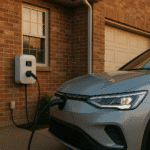
I charge at home 90% of the time. Once I got the Level 2 charger installed, my life got infinitely easier. I plug in when I get home, and wake up to a full battery every morning. It’s like having a gas station in your garage. No more stopping at sketchy Shell stations at midnight.
The tech is genuinely impressive. Navigate on Autopilot has saved my sanity on I-71. I still keep my hands on the wheel (because I’m not an idiot), but it handles 90% of the driving on highways. My 40-minute commute went from stressful to basically just sitting back and monitoring a robot.
The maintenance is hilariously simple. Six months in and I haven’t done anything except add washer fluid and rotate the tires once. No oil changes, no transmission fluid, no spark plugs, no air filters. My old Accord needed something done to it every other month.
Things I Wish I Knew Before Buying
- Install a home charger immediately. Don’t even try to use a regular outlet – it’ll take 3 days to charge from empty
- Buy winter tires if you live anywhere it snows. The all-seasons that come with the car are garbage in winter
- Plan for 70% of the EPA-rated range in your daily calculations, not 100%
- The “Full Self-Driving” package is not worth $12,000. Regular Autopilot does 90% of what you need
- White interior looks amazing for about two weeks, then it looks like a crime scene
- Join a local Tesla owners group – they’ll teach you all the tricks the manual doesn’t mention

Road Trips Are… Complicated
I took exactly one road trip in this car – Cleveland to Nashville, about 570 miles. In my old Accord, that would’ve been one tank of gas and maybe a quick stop halfway. In the Tesla, it required:
- Planning my route around Supercharger locations (thankfully the car does this automatically)
- Three charging stops totaling about 90 minutes
- A minor panic attack when I arrived at a Supercharger in rural Kentucky that had six spots but only two working chargers
- An unexpected friendship with a guy in a Rivian who was also waiting, and we ended up getting barbecue together while our cars charged
Was it slower than a gas car? Yeah, by about an hour total. Was it the end of the world? Not really. I needed to eat lunch and stretch my legs anyway. But if you’re the type of person who drives 12 hours straight without stopping, an EV is going to drive you insane.
The Verdict After Six Months
So here’s the thing – I’m keeping the car. Despite all the winter range loss, despite the charging station drama, despite the fact that I can’t just pull into any gas station and fill up in five minutes.
But I’m also not going to pretend this is perfect for everyone. If you:
- Live in an apartment without charging access → Wait until your situation changes
- Regularly drive 300+ miles per day → Get a hybrid or stay with gas
- Live in an area with minimal charging infrastructure → Check PlugShare first, then decide
- Can’t afford the upfront cost → Used gas cars are still cheaper and more practical
- Hate technology and just want a car that works → EVs might not be your vibe yet
But if you have a place to charge at home, drive less than 200 miles per day most days, and enjoy new technology even when it’s occasionally frustrating? Yeah, you’ll probably love it like I do.
Final Thoughts
Electric vehicles are the future, but we’re still in that awkward present where they’re not quite ready for everyone. They’re kind of like smartphones in 2008 – clearly better in many ways, but still with enough rough edges that your parents probably shouldn’t buy one yet.
Six months in, I’ve learned to work around the limitations. I check my battery level obsessively. I plan routes through Supercharger locations. I’ve accepted that winter driving means limited range and I deal with it. These are the trade-offs for having a car that’s faster than anything else on the road, never needs gas, and drives itself on the highway.
Would I buy another EV? Absolutely. Would I recommend one to my dad who still uses a flip phone? Absolutely not. Know thyself, as they say. And know whether you’re the kind of person who can handle the quirks of being an early adopter in the EV revolution.
Now if you’ll excuse me, I need to go move my car – I’ve been at this Supercharger for 35 minutes and I just noticed someone giving me the death stare from their Polestar.
Have questions about EV ownership? Drop a comment below or find me on the Tesla Owners Club forum. I’m always happy to share more stories about my adventures (and misadventures) with this car.