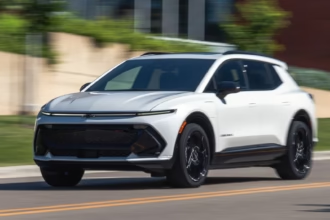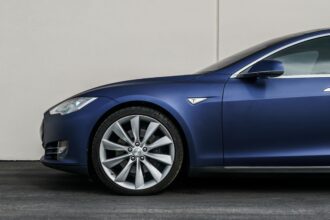
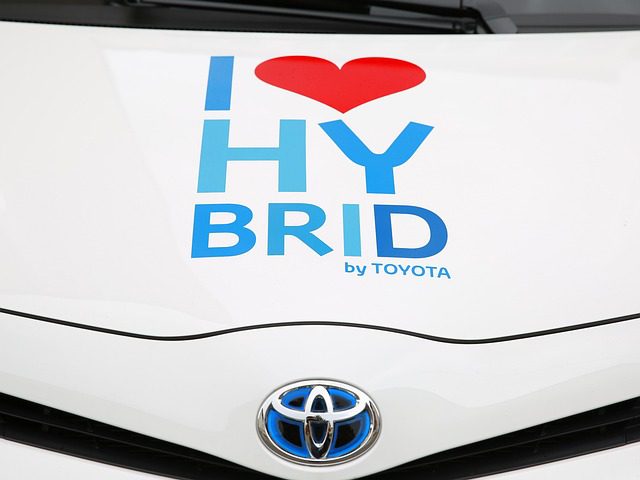
In 2020, the future seemed crystal clear: fully electric vehicles were destined to replace every gas-powered car on the planet. Governments pushed hard with incentives, manufacturers retooled their factories, and consumers began picturing a silent, emission-free commute.
But now, as we step into 2025, the conversation has quietly shifted. While EVs remain at the heart of automotive innovation, hybrid vehicles are making an unexpected comeback — and not by accident.
So why are drivers returning to hybrid technology, and what does this tell us about the evolving landscape of the car industry?
1. The Reality of Range Anxiety
Despite all the progress in battery density and fast-charging technology, range anxiety continues to haunt everyday drivers.
It’s not the lack of trust in EVs — it’s the lack of infrastructure.
In the United States, there are now over 4 million electric vehicles on the road, yet charging networks remain unevenly distributed. Urban drivers charge easily, but suburban and rural regions still lack consistent access.
A hybrid car, on the other hand, offers something priceless: predictability. Drivers can rely on electric power for daily commutes and switch to fuel for long journeys without the fear of hunting for a charger at midnight.
This balance between convenience and conscience has made hybrids the “safe middle ground” for 2025 consumers.
2. The Price Tag Problem
Let’s face it — cost still matters.
Even with tax credits and falling battery prices, EVs remain expensive to buy and maintain for many middle-class families.
Hybrid models, however, hit the sweet spot between affordability and innovation.
They’re cheaper than full EVs, require no expensive home charging setup, and often deliver 50+ MPG efficiency without range limitations.
For budget-conscious drivers, the hybrid simply feels like the smarter, more realistic transition step toward electrification — not a full leap into the unknown.
3. Battery Supply and Sustainability Paradox
Here’s an irony the industry doesn’t talk about enough:
as the world moves toward sustainability, the mining demand for lithium, nickel, and cobalt is skyrocketing.
Fully electric cars rely heavily on these minerals, which come with environmental and ethical costs.
Hybrid batteries, being smaller, require significantly less material — making them more sustainable in the short term while recycling systems are still catching up.
In other words, hybrids may be less “green” in concept but greener in reality under current global supply conditions.
4. Cold Weather and Performance Realities
Ask anyone who lives in Minnesota, Canada, or northern Europe: EVs and freezing temperatures don’t always get along.
Battery efficiency can drop by 20-40% in cold climates, cutting real-world range dramatically.
Hybrids handle this problem more gracefully, since they can switch between electric and combustion power seamlessly.
For drivers who face extreme seasons, hybrids simply deliver more consistent performance year-round.
5. The Infrastructure Lag
The EV charging revolution is happening — but not fast enough.
Even with major government funding and private partnerships, grid limitations, permitting delays, and rural coverage gaps continue to slow down infrastructure growth.
Meanwhile, gas stations are everywhere, and plug-in hybrids (PHEVs) can make use of both systems effortlessly.
Until charging becomes as simple and fast as refueling, hybrids will continue to dominate the “transition era” of mobility.
6. The New Definition of “Smart Driving”
The hybrid car of 2025 isn’t the same as the one from 2010.
Today’s hybrids are integrated with AI-driven energy management, predictive navigation, and regenerative braking algorithms that learn driver habits in real time.
Manufacturers like Toyota, Hyundai, and Ford have turned hybrids into intelligent energy systems on wheels — optimizing the balance between performance and efficiency automatically.
The result? Cars that think ahead for the driver, not just react.
7. Manufacturers Are Shifting Gears — Literally
Automakers follow markets, not dreams.
While Tesla still champions the pure EV path, most global manufacturers are hedging their bets.
Toyota, Honda, Mazda, and Ford have all doubled down on hybrid production in 2025, citing consumer data and economic realities.
Even luxury brands like Lexus and BMW are expanding hybrid lineups faster than expected.
Why? Because hybrids sell now, while full EV adoption remains limited by infrastructure, regulation, and consumer hesitation.
8. What This Means for Drivers
For everyday drivers, the takeaway is simple:
hybrids are the practical bridge between today’s infrastructure and tomorrow’s vision.
They allow drivers to:
- Cut emissions without range anxiety,
- Save money on fuel without expensive chargers,
- And experience EV performance without full commitment.
In short, hybrids make sustainability attainable — not aspirational.
9. What It Means for the Industry
For the automotive industry, this hybrid resurgence changes everything.
It buys manufacturers time to:
- Strengthen global supply chains for batteries,
- Build localized recycling systems,
- Develop solid-state batteries,
- And stabilize grid infrastructure for full electrification.
It’s not a step backward — it’s a strategic pause, allowing the technology, economy, and infrastructure to evolve in sync.
10. The Road Ahead
The road to a zero-emission future isn’t a straight line.
It’s a winding, complex journey filled with trade-offs, experiments, and adjustments.
By 2030, full EVs will likely reclaim the narrative — cleaner, cheaper, and powered by better infrastructure.
But in 2025, the hybrid stands tall as the most rational, accessible, and balanced choice for millions of drivers worldwide.
Sometimes progress doesn’t mean abandoning the past — it means perfecting the bridge to the future.