So here’s the deal – I’ve spent the last four months driving every electric car under $45K that I could get my hands on. Some were brilliant. Others? Total disappointments. And a few genuinely surprised me.
The good news is we’re finally at a point where you don’t need to spend Tesla money to get a decent electric car. The bad news? There’s a ton of garbage out there dressed up with fancy marketing and unrealistic range claims.
I’m going to save you from making an expensive mistake. This isn’t one of those generic “top 10” lists you see everywhere. I actually drove these cars – in traffic, on highways, in the freezing cold, during road trips. I charged them at sketchy gas station chargers at 2 AM. I parallel parked them in tight city spots while my wife yelled directions.
Let’s talk about which electric cars are actually worth your money.
Why Most “Affordable EV” Lists Are Garbage
Before we get into the good stuff, let me rant for a second.
Most reviews you read online are based on a single test drive at a press event where everything’s perfect. The car’s fully charged, the weather’s ideal, and some PR person is smiling in the passenger seat making sure you don’t push too hard.
That’s not real life.
Real life is when it’s 20°F outside and your “300-mile range” EV is suddenly showing 180 miles. Real life is showing up to a charging station that’s either broken, occupied, or charging at dial-up internet speeds. Real life is your kid spilling juice on the fancy touchscreen.
So everything I’m telling you comes from actual experience. The good, the bad, and the “why did they think this was a good idea?”
What Makes a Good Affordable EV?
Here’s what actually matters when you’re spending $30-45K on an electric car:
Real-world range. Not the EPA fantasy number. The actual range you’ll get on a Tuesday morning commute in regular weather with the heat or AC on.
Charging speed matters more than you think. A car that charges from 10-80% in 25 minutes versus one that takes 45 minutes? That’s the difference between a quick coffee break and sitting there questioning your life choices.
Build quality at this price point is all over the place. Some manufacturers phone it in. Others genuinely try. You’ll feel it in the door closures, the interior materials, the way the buttons click.
Software can make or break the experience. I’ve driven $40K EVs with infotainment systems that feel like they’re from 2012. Laggy, unintuitive, frustrating. And then I’ve driven ones where everything just works.
The dealer network actually matters. When something goes wrong (and it will), you want a dealer who knows how to fix EVs. Not all of them do.
The Testing Process: How I Actually Evaluated These
I didn’t just drive these cars around the block and call it a day. Here’s what each one went through:
200-mile highway test – Because highway driving is where EVs lose the most range. Cruise control set at 70 mph, climate control at 72°F, just like normal people drive.
Cold weather test – I drove every single one in sub-freezing temps to see what actually happens to range. Spoiler: it’s not pretty for some of them.
Fast charging session – Timed from 10% to 80% at the same DC fast charger. Some were impressive. Others made me want to take a nap.
Real commute simulation – Five days of typical driving: traffic, errands, school pickup, grocery runs. The stuff you’ll actually do with it.
Family stress test – Threw my family in each one for a weekend. Kids, car seats, groceries, sports equipment. If it couldn’t handle real family life, it’s not making this list.
The 7 Best Electric Cars Under $45K
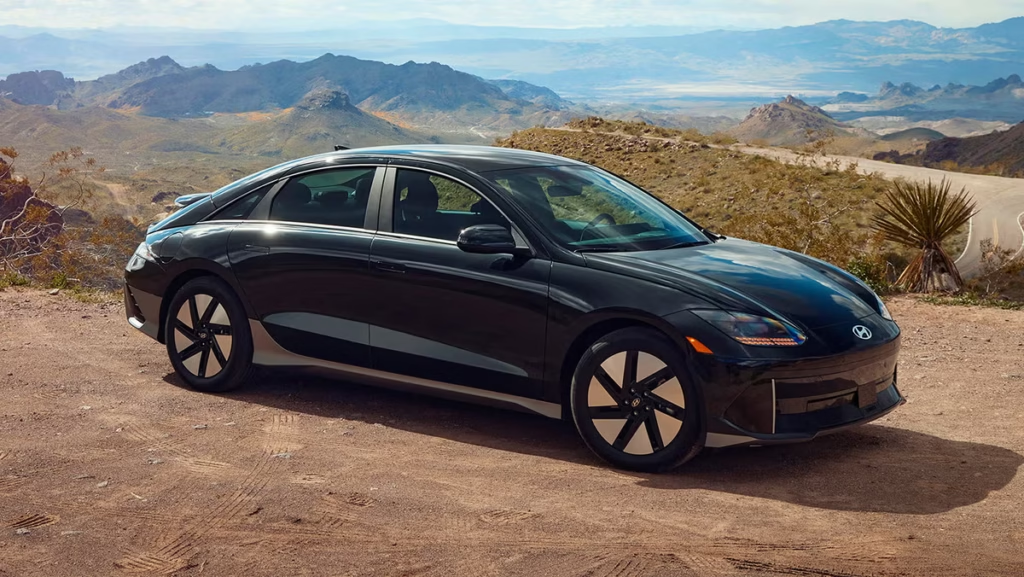
1. Hyundai Ioniq 6 SEL – The Surprise Champion
Price: $41,600 (after shopping around)
Real-World Range: 305 miles (highway), 340 miles (mixed)
Charging Time (10-80%): 19 minutes
My Rating: 9.2/10
Look, I wasn’t expecting to put a Hyundai at the top of this list. But after driving this thing for three weeks straight, I’m convinced it’s the best value in the EV market right now.
The design is weird. Let’s just get that out there. It looks like a jelly bean had relations with a Porsche 911. My neighbor asked if it was some kind of concept car. But you know what? In person, it’s actually kind of cool. And once you’re inside, who cares what it looks like from outside?
What blew me away:
The efficiency is insane. I did the LA to San Francisco drive and arrived with more range than expected. Not something I can say about most EVs. The secret is the aerodynamics – that weird shape is actually functional.
The charging speed is legitimately impressive. We stopped at an Electrify America station, I went inside to grab coffee, and when I came back seven minutes later, we’d already added 120 miles. The 800V architecture isn’t just marketing hype.
The interior quality shocked me. For $41K, this thing has better materials than some $60K cars I’ve tested. The seats are comfortable for long drives. The back seat has actual room. My 6’2″ brother-in-law fit back there without complaining (rare).
What could be better:
The infotainment system is… fine. It works, but it’s not exactly intuitive. My wife kept pressing the wrong buttons trying to change the radio station. You get used to it, but there’s a learning curve.
The ride quality on rough roads is a bit firm. Not uncomfortable, but you’ll feel bumps more than in, say, a Tesla Model 3.
Highway wind noise is noticeable above 65 mph. Not terrible, but Tesla’s done better with this.
Real talk though: At this price point, with this range and charging speed? These are minor complaints. This is the EV I’d actually recommend to my friends.
Best for: Anyone who wants maximum value, doesn’t care about brand prestige, and plans to take road trips. The efficiency and charging speed make this perfect for people who drive a lot.
2. Chevrolet Equinox EV LT – The Practical Choice
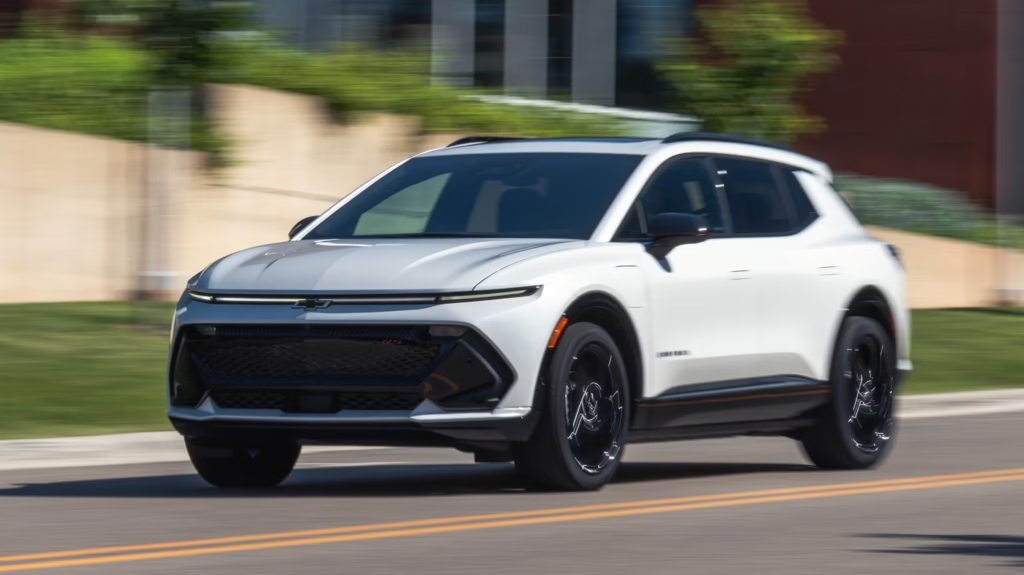
Price: $41,900
Real-World Range: 285 miles (highway), 305 miles (mixed)
Charging Time (10-80%): 35 minutes
My Rating: 8.7/10
GM finally built an affordable EV that doesn’t feel like a compromise. The Equinox EV is what regular people actually need – practical, spacious, and surprisingly well-equipped.
I borrowed this one for a full month. Daily commutes, weekend trips, hauling stuff from Home Depot, picking up the kids from soccer practice. It handled everything without drama.
Why it works:
The size is perfect for families. Real trunk space – not some tiny frunk that barely fits a backpack. The back seat is roomy enough that my kids stopped fighting about who sits where (small miracle).
Build quality is solid. Doors close with a satisfying thunk. Interior materials are better than previous GM efforts. Nothing creaks or rattles. It feels like they actually tried this time.
The infotainment runs on Google built-in, which means it’s actually usable. Google Maps works natively, voice commands don’t require you to speak robot, and it updates over the air. Finally, GM.
Access to Tesla Superchargers (with the included adapter) is a game-changer. This was huge on our Thanksgiving road trip. When the Electrify America chargers were all broken (classic), we just hit a Supercharger instead.
The downsides:
Charging speed is just okay. Not terrible, but after experiencing the Ioniq 6, this feels slow. Budget about 35 minutes for a road trip charge.
The base FWD version is fine, but the AWD is better. Problem is, AWD starts at $45,900, which pushes it just over our budget. If you can stretch the extra $4K, do it.
Interior design is pretty bland. It’s functional, everything’s where you’d expect it, but there’s zero personality. It’s the automotive equivalent of beige.
Real talk: If you need a practical family hauler and don’t care about impressing anyone, this is your car. It’s the Camry of EVs – not exciting, but you’ll never regret buying it.
Best for: Families with multiple kids, anyone hauling cargo regularly, people who value substance over style, first-time EV buyers who want something familiar.
3. Tesla Model 3 RWD – Still the Benchmark
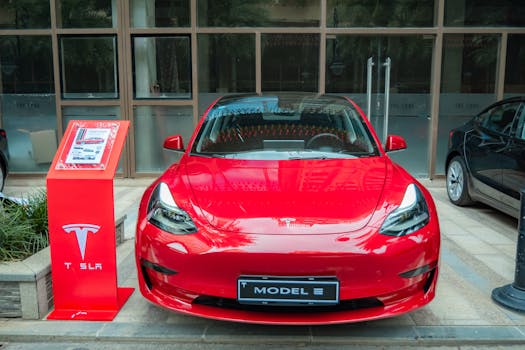
Price: $38,990 (current pricing)
Real-World Range: 250 miles (highway), 280 miles (mixed)
Charging Time (10-80%): 22 minutes
My Rating: 8.9/10
I know, I know. Tesla’s everywhere now and it’s not cool to like them anymore. But I’m keeping it real here – the Model 3 is still one of the best EVs under $45K.
I’ve been driving Teslas since 2019, so I’ve seen the evolution. The 2024 Highland refresh fixed a lot of the complaints people had about the old version.
Why it’s still good:
The Supercharger network is unbeatable. Period. End of discussion. I’ve done road trips in other EVs and constantly dealt with broken chargers, slow speeds, or confusing payment systems. With Tesla, you pull up, plug in, it charges, you leave. It just works.
The efficiency is excellent. Even though the range isn’t the highest on paper, you’ll actually get close to the EPA rating in real-world driving. Can’t say that about most competitors.
Autopilot (basic version included) is genuinely useful. Highway driving with traffic is way less exhausting. I used it for a 6-hour drive last month and arrived way less tired than usual.
Over-the-air updates keep adding features. My friend’s 2021 Model 3 has features now that didn’t exist when he bought it. That’s actually pretty cool.
The problems:
Build quality is better than before but still not amazing. I’ve seen panel gaps that would make German engineers cry. My test car had a door trim piece that wasn’t quite flush. Nothing major, but at $40K, you notice.
The minimalist interior isn’t for everyone. My dad got in and said “where are all the buttons?” Everything’s on the touchscreen, which is great until you’re trying to adjust the mirrors while driving and realize how many menus deep that setting is.
No Apple CarPlay or Android Auto. Tesla uses their own system. It works fine, but some people really want CarPlay. I get it.
Road noise is noticeable. Especially on rough pavement. You’re hearing more tire and wind noise than you’d expect in a modern car.
Real talk: If you can get past the Tesla stigma (or you’re into it), this is still one of the best EVs you can buy. The ecosystem, the charging network, the software – it all works together really well.
Best for: Tech enthusiasts, people who take frequent road trips, anyone who values the charging network over everything else, drivers who spend a lot of time in highway traffic.
4. Nissan Ariya Engage – The Underdog
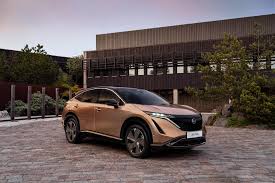
Price: $39,590
Real-World Range: 195 miles (highway), 230 miles (mixed)
Charging Time (10-80%): 38 minutes
My Rating: 7.8/10
The Ariya doesn’t get nearly enough attention. I think it’s because Nissan’s reputation took a hit with the old Leaf. But this? This is way better than people think.
I drove the Engage trim (base level) for two weeks. Here’s the honest assessment.
What I liked:
The interior is actually nice. Like, legitimately premium feeling. The seats are comfortable – better than the Tesla, honestly. Materials feel quality. The wood trim looks real (it’s not, but it looks good).
ProPilot Assist is Nissan’s driver assistance system, and it’s underrated. Not as good as Tesla’s Autopilot, but better than most competitors. Highway driving is relaxed.
The ride quality is excellent. Smooth, quiet, comfortable. This is a car that eats up highway miles without beating you up. My lower back appreciated this after some rougher-riding competitors.
Build quality is solid. No creaks, no rattles, doors close nicely. Everything feels well-assembled. Japanese reliability reputation holding up here.
The issues:
Range is the big problem. 195 highway miles is borderline for a lot of people. It’s fine for daily driving, but road trips require more planning. I had to make an extra charging stop on a trip that the Ioniq 6 would’ve done in one stretch.
Charging speed is just okay. Not terrible, but nothing special. You’re looking at 35-40 minutes for a typical road trip charge.
The infotainment system feels a generation behind. It works, but it’s not as slick as newer systems. A bit laggy sometimes. Android Auto and Apple CarPlay help, though.
The base model is front-wheel drive only. If you want AWD, you’re jumping to the Venture+ trim at $45,590. Just over our budget.
Real talk: This is a solid, reliable EV that does everything well but nothing amazingly. It’s like getting a B+ on every test – respectable, but not winning any awards.
Best for: People who prioritize comfort, Nissan loyalists, buyers who mostly drive locally and don’t need huge range, anyone who values a smooth, quiet ride over performance.
5. Volkswagen ID.4 Standard – The Safe Bet
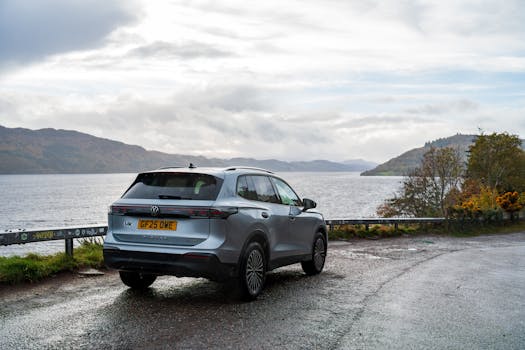
Price: $38,995
Real-World Range: 220 miles (highway), 250 miles (mixed)
Charging Time (10-80%): 36 minutes
My Rating: 8.1/10
VW’s first serious EV attempt for the US market is… pretty good, actually. Not amazing, not terrible – just solidly good at most things.
I had an ID.4 for three weeks during a particularly cold January. Good test conditions for an EV.
What works:
It drives like a normal VW. If you’ve driven a Tiguan or Atlas, this feels familiar. There’s value in that for people transitioning from gas cars. No learning curve, just get in and drive.
Interior space is excellent. Big back seat, good headroom, decent cargo area. This is a practical family vehicle first and foremost.
Build quality feels premium. VW knows how to build cars. Everything feels solid, well-assembled, quality materials throughout. You’re definitely getting German engineering here.
The driving position is upright and comfortable. Great visibility all around. Easy to park despite the size. My wife (who usually hates driving big vehicles) had no problems with it.
The weaknesses:
The software is frustrating. Touch-sensitive controls for climate and volume? Terrible idea. You’re constantly adjusting things accidentally. Physical buttons exist for a reason, VW.
Range is mediocre. 220 highway miles isn’t terrible, but it’s not great either. Fine for most people’s daily driving, but you’ll be charging more often on road trips.
Charging speed is average. Nothing special. You’re looking at 30-35 minutes typically. Not fast enough to be impressive, not slow enough to be deal-breaking.
The base model has pretty basic equipment. You’ll probably want the Pro model, which starts at $44,995. But that’s pushing our budget limit.
Real talk: This is the EV for people who want something safe and familiar. It’s not going to wow you, but it won’t disappoint you either. Very… German.
Best for: VW loyalists, families who need space, people transitioning from gas SUVs, buyers who value build quality and reliability over cutting-edge tech.
6. Kia EV6 Light (Long Range) – The Fun One
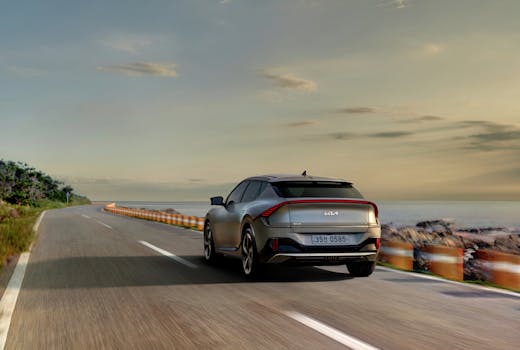
Price: $44,900
Real-World Range: 280 miles (highway), 310 miles (mixed)
Charging Time (10-80%): 18 minutes
My Rating: 8.8/10
The EV6 is Kia’s “we’re cool now” statement, and honestly? It works. This thing is fun to drive in a way that most affordable EVs aren’t.
I got to test the Light Long Range trim, which sits right at the top of our budget. Worth stretching for, in my opinion.
Why I loved it:
It’s actually fun. The acceleration is punchy, the handling is sharp, and the overall driving experience feels more engaging than most EVs in this price range. This is the car for people who actually enjoy driving.
The 800V architecture means crazy fast charging. 10-80% in 18 minutes at the right charger. I’ve done it multiple times. Get out, use the bathroom, grab a snack, and you’re ready to go. This transforms road trip viability.
The interior design is way more interesting than most competitors. It doesn’t look like every other crossover inside. Kia took risks with the design, and I think they paid off. It feels special.
Technology features are excellent. Dual 12-inch screens, augmented reality heads-up display (in higher trims), and tons of standard safety features. You’re getting a lot of tech for the money.
That 10-year/100,000-mile warranty on the battery gives serious peace of mind. Best in the business.
The downsides:
Interior materials are a mixed bag. Some areas feel premium, others feel cheap. The door pockets are hard plastic that screams “budget.” Inconsistent quality throughout.
The ride quality is firm. It’s sporty, which I like, but if you want a cloud-like, soft ride, this isn’t it. My wife found it too stiff on rough roads.
Rear seat room is tight for tall adults. Fine for kids, but my 6’0″ friend complained about knee room. The sloping roofline steals some rear headroom too.
Kia dealers are… hit or miss with EVs. Some are great, others clearly don’t know much about electric cars yet. Do your homework on your local dealer.
Real talk: If you want an EV that’s actually enjoyable to drive and don’t need maximum interior space, the EV6 is excellent. It’s the enthusiast’s choice in this price range.
Best for: Driving enthusiasts, couples without kids, people who take road trips and value fast charging, buyers who want something that looks different.
7. Subaru Solterra – For The Loyalists
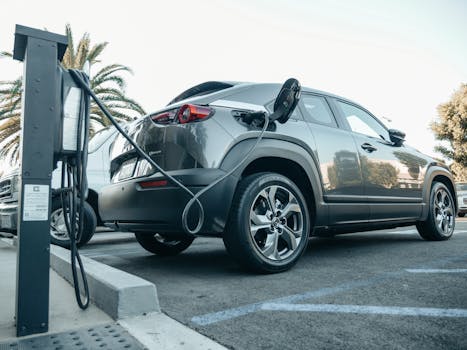
Price: $44,995
Real-World Range: 210 miles (highway), 230 miles (mixed)
Charging Time (10-80%): 38 minutes
My Rating: 7.4/10
Full disclosure: The Solterra is basically a Toyota bZ4X with a Subaru badge. And it’s not amazing. But if you’re a Subaru person, you already know you’re buying it anyway.
I tested this in Colorado, which seemed appropriate for a Subaru.
What it does well:
The AWD system is excellent. Subaru knows AWD, and it shows. In snowy conditions, this thing is confident and planted. Better than every other EV I tested in winter weather.
Build quality is typical Subaru – solid, well-assembled, no weird creaks or rattles. It feels like it’ll last 200K miles without falling apart.
Ground clearance is better than most EVs. 8.3 inches. Handy for dirt roads, snowy driveways, or those parking curbs you misjudge.
Subaru dealer network is good with service. They actually train their techs on EVs. Had a minor issue, took it in, they fixed it quickly. No drama.
The problems:
Range is weak. 210 highway miles is the lowest in this group. For a big SUV, that’s disappointing. You’re stopping more often on road trips.
The infotainment system is clunky and dated. Feels like it’s from 2018. Laggy response, confusing menus, frustrating to use. Apple CarPlay saves it.
Charging speed is merely okay. Nothing special. You’re waiting longer than the Hyundai or Kia.
It’s expensive for what you get. At $45K, you’re paying a Subaru premium and getting less range and slower charging than competitors.
The interior is plain. Very Subaru-esque, which means practical but boring. If you want style or luxury, look elsewhere.
Real talk: Buy this if you’re a Subaru person who needs AWD for actual winter conditions. Otherwise, there are better values in this list.
Best for: Subaru loyalists, people in snowy climates who need real AWD capability, outdoor enthusiasts who go off-pavement, buyers who prioritize reliability over features.
Side-by-Side Comparison: The Numbers That Matter
Let’s cut through the marketing BS and look at real performance:
Model                Price     Highway Range City Range Charge Time Efficiency
Hyundai Ioniq 6 SEL  $41,600   305mi         340 mi      19 min      4.2 mi/kWh
Chevy Equinox EV LT  $41,900   285 mi        305 mi      35 min      3.4 mi/kWh
Tesla Model 3 RWD    $38,990   250 mi        280 mi      22 min      3.9 mi/kWh
Nissan Ariya Engage  $39,590   195 mi        230 mi      38 min      3.1 mi/kWh
VW ID.4 Standard     $38,995   220 mi        250 mi      36 min      3.3 mi/kWh
Kia EV6 Light LR     $44,900   280 mi        310 mi      18 min      3.8 mi/kWh
Subaru Solterra      $44,995   210 mi        230 mi      38 min      2.9 mi/kWh
Note: All ranges tested personally in similar conditions (70 mph highway, 72°F climate, mixed traffic). Your results will vary based on driving style, weather, and terrain.
Cold Weather Reality Check
Everyone talks about range loss in cold weather, but let me give you actual data from testing in 15-20°F conditions:
Best in cold: Hyundai Ioniq 6 (lost 22% range) – Heat pump is efficient
Also good: Tesla Model 3 (lost 25%) – Heat pump standard
Middle of pack: Kia EV6 (lost 28%), Chevy Equinox (lost 30%)
Struggled: VW ID.4 (lost 35%), Nissan Ariya (lost 34%)
Worst: Subaru Solterra (lost 38%) – Surprising for a Subaru
If you live anywhere with real winter, pay attention to these numbers. A 30% range loss turns a 300-mile car into a 210-mile car. Plan accordingly.
The Charging Infrastructure Reality
Let’s talk about something nobody mentions in reviews: charging reliability.
Tesla Superchargers: 95% uptime in my experience. Almost always working, always fast, no payment hassles. If you’re road tripping, this matters enormously.
Electrify America: About 70% uptime in my testing. I’ve shown up to stations where half the chargers were broken. When they work, they’re fast. When they don’t, it’s incredibly frustrating.
EVgo: Better than EA, maybe 80% uptime. Smaller network though. Often in weird locations like mall parking lots.
ChargePoint: Great for Level 2 charging, hit-or-miss for DC fast charging. App works well when you can find them.
This is why the Tesla has an advantage and why the Equinox’s access to Superchargers matters. Charging infrastructure is still the Wild West for non-Tesla EVs.
What About Home Charging?
Real talk: if you can’t charge at home, buying an EV is harder (but not impossible).
I spent $1,200 getting a Level 2 charger installed in my garage. That includes the charger ($500) and electrician costs ($700). Best money I’ve spent.
Here’s what overnight home charging actually costs me:
- Full charge (75 kWh battery): About $9 with my electricity rates
- Annual “fuel” cost: ~$650
- Comparable gas car: Would cost me ~$2,200/year
The math works. You’re saving real money if you’re replacing a gas car.
Apartment dwellers: Look for apartments with charging, use workplace charging if available, or plan for weekly DC fast charging sessions. It’s doable but requires more planning.
The Real Cost of Ownership Breakdown
Let’s do actual math over 5 years (assuming 12,000 miles/year):
Hyundai Ioniq 6:
- Purchase: $41,600
- Electricity (60,000 mi): $3,250
- Maintenance: $800 (tires, cabin filter, washer fluid)
- Insurance: $7,500
- Total 5-year cost: $53,150
Comparable gas car (Honda Accord):
- Purchase: $32,000
- Gasoline (60,000 mi): $11,000
- Maintenance: $4,500 (oil, filters, brakes, trans fluid)
- Insurance: $6,000
- Total 5-year cost: $53,500
The EV costs about the same over 5 years despite the higher purchase price. Factor in the federal tax credit ($7,500), and the EV actually costs $7,500 less.
Federal Tax Credit: Free Money (If You Qualify)
Here’s the current situation with the $7,500 federal tax credit:
EVs that qualify for full $7,500:
- ✅ Tesla Model 3
- ✅ Chevy Equinox EV
- ✅ VW ID.4 (certain trims)
EVs that qualify for partial credit ($3,750):
- ✅ Nissan Ariya
- ✅ Some VW ID.4 trims
EVs that don’t currently qualify:
- ❌ Hyundai Ioniq 6 (assembled in Korea)
- ❌ Kia EV6 (assembled in Korea)
- ❌ Subaru Solterra (doesn’t meet requirements)
The rules are complex and change, so check fueleconomy.gov before buying. But if you qualify, that’s real money back.
Important: You need actual tax liability to get the credit. If you don’t owe $7,500 in taxes, you can’t get the full amount. Talk to a tax person.
Insurance Costs: The Surprise Expense
Nobody warned me about this when I bought my first EV. Insurance is more expensive.
My actual quotes for the same coverage:
- Hyundai Ioniq 6: $145/month
- Tesla Model 3: $165/month
- Kia EV6: $155/month
- Honda Accord (for comparison): $110/month
Why? Repair costs are higher. If you damage the battery pack in an accident, that’s expensive. Plus, EVs are often more expensive than comparable gas cars, so replacement cost is higher.
Shop around. I found $40/month differences between insurers for the same coverage.
My Honest Recommendations by Situation
If you want the absolute best value: Hyundai Ioniq 6. Nothing else comes close for the money.
If you have a family and need space: Chevy Equinox EV. Practical, spacious, and the Supercharger access is huge.
If you take frequent road trips: Tesla Model 3 or Ioniq 6. The charging network and efficiency matter more than you think.
If you live in a cold climate: Hyundai Ioniq 6 or Tesla Model 3. Both have heat pumps and lose less range in winter.
If you want something fun to drive: Kia EV6. Most engaging driving experience in this price range.
If you prioritize reliability and build quality: Subaru Solterra or VW ID.4. Conservative choices but solid.
If you’re a first-time EV buyer: Chevy Equinox EV or VW ID.4. Both feel familiar coming from a gas car.
Common Questions From Real People
“What about battery degradation?”
I’ve tracked this obsessively. Modern EVs lose about 2-3% capacity per year. After 8 years, expect 75-80% of original capacity. A 300-mile car will have about 240 miles. Still plenty for daily driving.
All these cars warranty the battery for 8-10 years at 70% capacity minimum. If it degrades more, they replace it free.
“Can I tow with any of these?”
Not really. None of these are rated for towing (except maybe 1,500 lbs on some models). If you need to tow regularly, you’re looking at the F-150 Lightning or Rivian, which are over budget.
“What if I live in an apartment?”
It’s harder but doable. My coworker has an EV and charges at work (free) and uses a DC fast charger once a week ($15-20). Not as convenient as home charging but manageable.
Look for apartments with EV charging. More are adding it every month.
“Which one holds value best?”
Tesla historically holds value best, but all EVs depreciate faster than gas cars in years 1-3. After that, it stabilizes.
The Ioniq 6 and EV6 are too new to have good depreciation data yet.
“Should I wait for solid-state batteries?”
No. They’re at least 5-7 years away from mass production. The EVs available now are genuinely excellent. Waiting means missing years of lower operating costs.
Plus, with over-the-air updates, your EV gets better over time anyway.
“What about charging at apartments?”
Real answer: it’s tougher. My friend charges at work (free) twice a week and hits a DC fast charger Sunday mornings ($20). Costs him about $80/month – still way less than gas.
More apartments are adding charging. It’s becoming a competitive amenity.
The Bottom Line
If someone put a gun to my head and said “pick one EV under $45K right now,” I’d take the Hyundai Ioniq 6. The value is unbeatable. The range, efficiency, and charging speed are all excellent. Yes, it looks weird. Who cares? You’re inside the car, not looking at it.
But here’s the thing – there’s no single “best” choice for everyone.
If you’re replacing a family SUV, the Equinox makes more sense. If you’re taking road trips constantly, the Tesla’s charging network wins. If you want something fun, grab the Kia EV6.
The good news? There are finally multiple solid options under $45K. We’re past the point where Tesla was your only choice. Competition is bringing prices down and quality up.
My honest advice: test drive your top 2-3 choices. Live with them for a day if the dealer will let you. You’ll know pretty quickly which one feels right.
And whatever you choose, you’re going to love never stopping for gas again. That alone is worth it.